In rural Malawi, living with HIV/AIDS means facing more than a diagnosis. It means confronting isolation, stigma, and the daily weight of economic vulnerability. For many women, the struggle extends beyond health—it’s about being seen and valued, and having the ability to provide for their families with dignity.
When the rains came early and stayed too long, these women adapted. Soybeans gave way to cowpeas (black-eyed peas), brickmaking paused, and plans shifted. Yet through organic farming and livestock management training, they found new ways to grow, both food and hope.
After months of preparation, the Sande group’s farm now yields cowpeas and other vegetables that nourish families and strengthen community bonds. “Receiving cowpea and other vegetable seeds transformed our meals and improved our nutrition,” one participant shared. Another said, “It gives me purpose and pride.”
The Timasuke and Umodzi groups learned soil preparation, crop rotation, and natural pest control: skills that turn uncertainty into
confidence. Another woman reflects, “Poultry and organic farming provide reliable income and foster bonds that help fight solation.”
These are not stories of rescue; but of resilience and resourcefulness. They remind us that empowerment begins when opportunity takes root. Together, these women are cultivating more than crops; they are cultivating possibility.
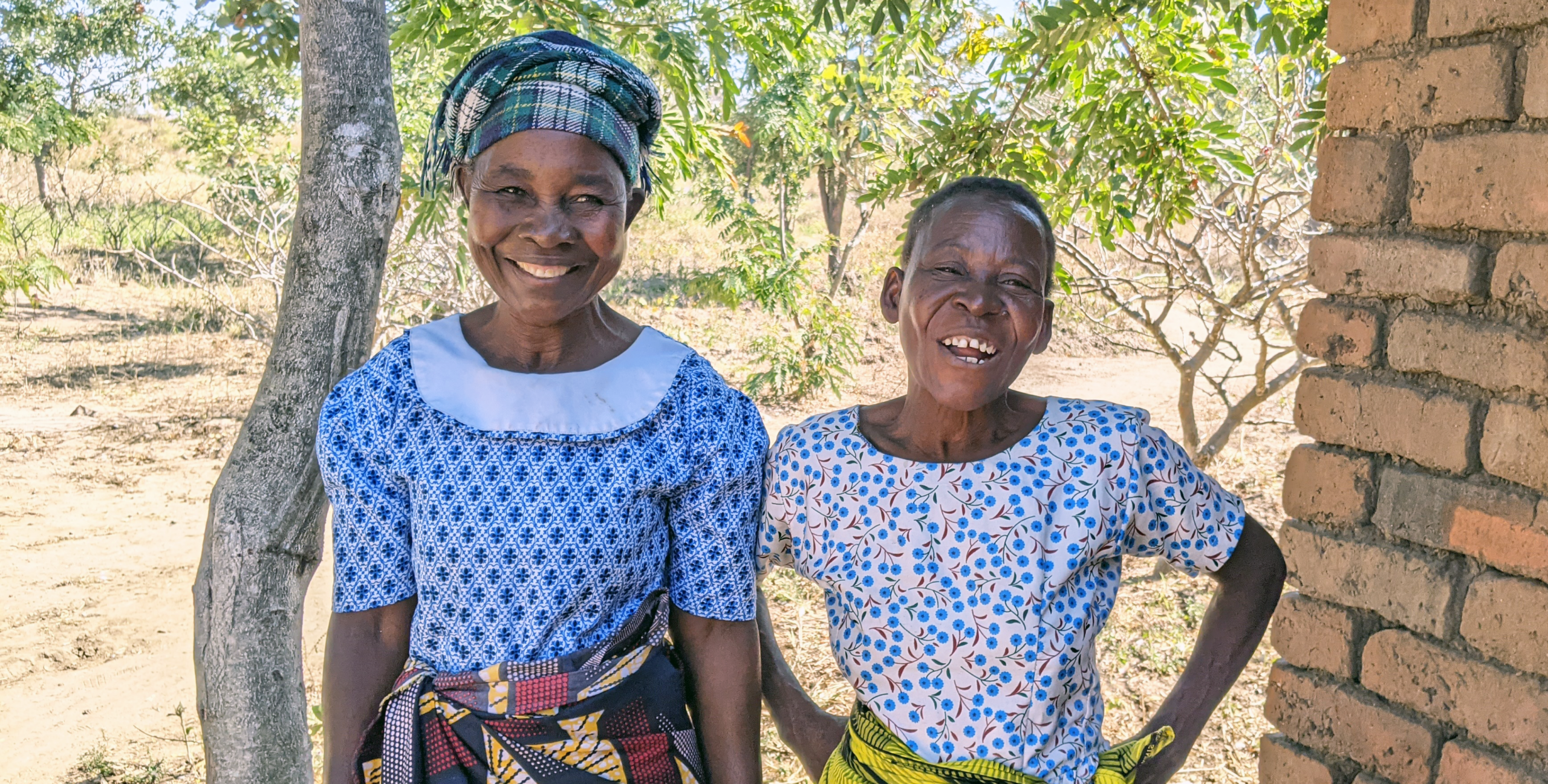
Women from the farming group.